
How to Fix Minor Scratches on Solid Wood Furniture
Understanding the Causes of Scratches on Wood Furniture
Scratches on solid wood furniture are a common issue that can arise from several everyday activities. One predominant cause is daily wear and tear, which often results from the routine placement and movement of objects such as books, kitchenware, or decorative items. Even lightweight items can leave behind faint marks over time, particularly if they have rough or textured bottoms that catch on the wood surface.
Another significant cause of scratches can stem from the interaction with pets. Dogs, cats, and other household animals might inadvertently cause damage through their claws, whether they are jumping onto furniture or simply exploring their environment. The combination of playful energy and sharp claws can lead to a variety of unsightly scratches, necessitating a conversation around furniture placement and pet care.
The type of wood finish applied to the surface of the furniture also plays a critical role in the visibility and repairability of scratches. Some finishes, such as oil or wax, tend to be more forgiving and allow for easier touch-ups without significant alteration of the wood's appearance. Conversely, high-gloss finishes can highlight imperfections and make scratches more noticeable. Therefore, selecting the right finish when purchasing or restoring wood furniture can be essential for maintaining its aesthetic and longevity.
To minimize future scratches, regular maintenance is key. This includes using coasters, placemats, and other protective measures to shield the wood from abrasive substances. Furthermore, placing furniture away from high-traffic areas and utilizing furniture pads beneath objects can greatly reduce the likelihood of scratches. By understanding these common causes and implementing preventative measures, you can protect your solid wood furniture from minor scratches and preserve its beauty for years to come.
When dealing with scratches on solid wood furniture, the first step is to accurately assess their severity. Being able to identify the depth, length, and type of scratches is crucial in determining whether home repair methods will suffice or if professional intervention is necessary. One effective technique is to use good lighting when examining the scratched area. Natural light is best, but a bright lamp can also work well. Angling the light at various positions can help highlight the scratches better.
Start by visually examining the scratched surface. Minor scratches typically only affect the finish of the wood and may not penetrate deeply into the wood itself. These surface scratches are often easier to repair and can usually be treated with common household products. On the other hand, deeper scratches that are noticeably visible and feel rough to the touch could indicate that the damage has penetrated beyond the finish, possibly reaching the bare wood. In such cases, a more sophisticated repair approach is required.
Another effective method for assessing the damage is to run your fingers over the scratch. If the scratch is smooth and can only be seen under certain lighting, it is likely a minor issue. However, if your fingernail catches on the scratch, it indicates a deeper gouge that may require professional help or specialized tools for proper repair. Taking note of the length of the scratch is also essential; longer scratches are often more difficult to repair and may necessitate wood filler or refinishing.
In conclusion, carefully evaluating the scratches on your solid wood furniture using effective lighting techniques and tactile inspection will provide valuable insights into the necessary repair methods. Determining whether the scratches are minor or deep will significantly influence the approach you take toward restoration.
DIY Repair Techniques for Minor Scratches
Repairing minor scratches on solid wood furniture can be a straightforward task with the right techniques and materials. Here are several methods you can explore, including the use of wood filler, walnut oil, and DIY furniture polish.
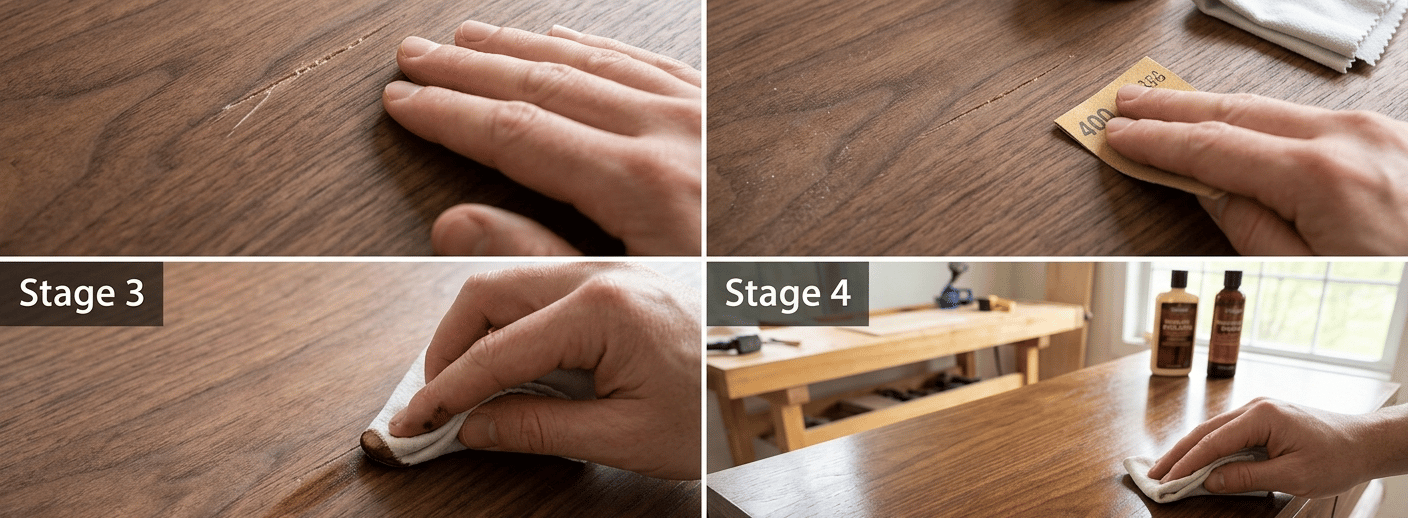
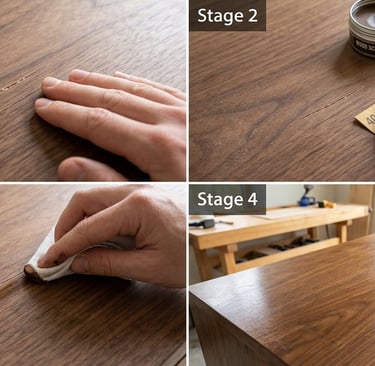
Using Wood Filler: For deeper scratches, wood filler can be an effective solution. Begin by selecting a wood filler that closely matches the color of your furniture. Clean the scratched area thoroughly to remove any debris. Then, using a putty knife, apply the wood filler directly into the scratch, ensuring it fills the entire space. Smooth it out so it is level with the surrounding wood. Allow it to dry according to the manufacturer’s instructions, often about 30 minutes to an hour. Once dry, sand the area gently with fine-grit sandpaper until it is flush with the surface. Finally, apply a suitable wood stain or finish to blend it seamlessly with the rest of the furniture.
Using Walnut Oil: For minor surface scratches, walnut oil can work wonders. Its natural ability to nourish the wood and enhance its appearance makes it an ideal choice. First, clean the scratched area with a dry cloth to remove dust and grime. Then, apply a few drops of walnut oil on a soft cloth and rub it gently over the scratch. The oil will penetrate the wood, helping to disguise the scratch by darkening the affected area. Allow the oil to absorb for about 15 to 20 minutes before wiping off any excess with a clean cloth. This method not only improves the look of the scratch but also conditions the wood.
DIY Furniture Polish: Another technique that can be quite effective involves creating a homemade furniture polish. Combine equal parts of olive oil and vinegar in a spray bottle. Shake well and then lightly mist the scratch area. Using a soft cloth, rub it in and buff the surface gently. This mixture not only cleans the area but also offers a protective layer, enhancing the wood’s shine and reducing the visibility of scratches.
Utilizing these methods, you can restore the beauty of your solid wood furniture, ensuring it remains a cherished piece in your home for years to come.
Maintenance Tips to Prevent Future Scratches
Maintaining solid wood furniture is essential for prolonging its lifespan and preserving its aesthetic appeal. One of the primary concerns of solid wood furniture is its susceptibility to scratches, which can be frustrating for homeowners. By implementing a few protective measures, you can significantly minimize the risk of damage and keep your furniture looking its best.
First and foremost, the use of coasters is crucial when placing beverages or hot items on wooden surfaces. Coasters act as a barrier, preventing moisture and heat from penetrating the wood, which can lead to scratches or warping over time. Encourage family members and guests to utilize coasters, as this simple habit can significantly reduce the occurrence of unwanted marks.
In addition to using coasters, regular polishing of solid wood furniture plays a vital role in maintaining its finish. Employing a quality wood polish not only enhances the shine of the furniture but also adds a protective layer that guards against minor scratches. Polishing should be done every few months, depending on the amount of usage and environmental conditions. It is advisable to choose a cleaning product specifically designed for wood, avoiding abrasive cleaning solutions that can unintentionally damage the surface.
Moreover, the environment in which solid wood furniture is placed can have a considerable impact on its longevity. Avoid placing wood furniture in direct sunlight, as prolonged exposure can cause fading and drying, making the wood more prone to scratches. Furthermore, maintaining consistent humidity levels will prevent the wood from expanding or contracting, which can lead to cracks and vulnerabilities.
By adhering to these maintenance tips and being mindful of the placement and care of your solid wood furniture, you can effectively prevent future scratches, ensuring it remains a cherished part of your home for years to come.
Aquatics
Quality driftwood for your aquarium decoration needs.
New product updates please subscribe below
© 2024. All rights reserved. Design & Developed By Dinesh kumar.
All Driftwood product is crafted entirely from recycled wood sourced responsibly from local stations, ensuring an eco-friendly choice for environmentally conscious consumers
Check out our Instagram page.