
How to Care for and Preserve Authentic Driftwood Decor
Understanding Driftwood: Characteristics and Types
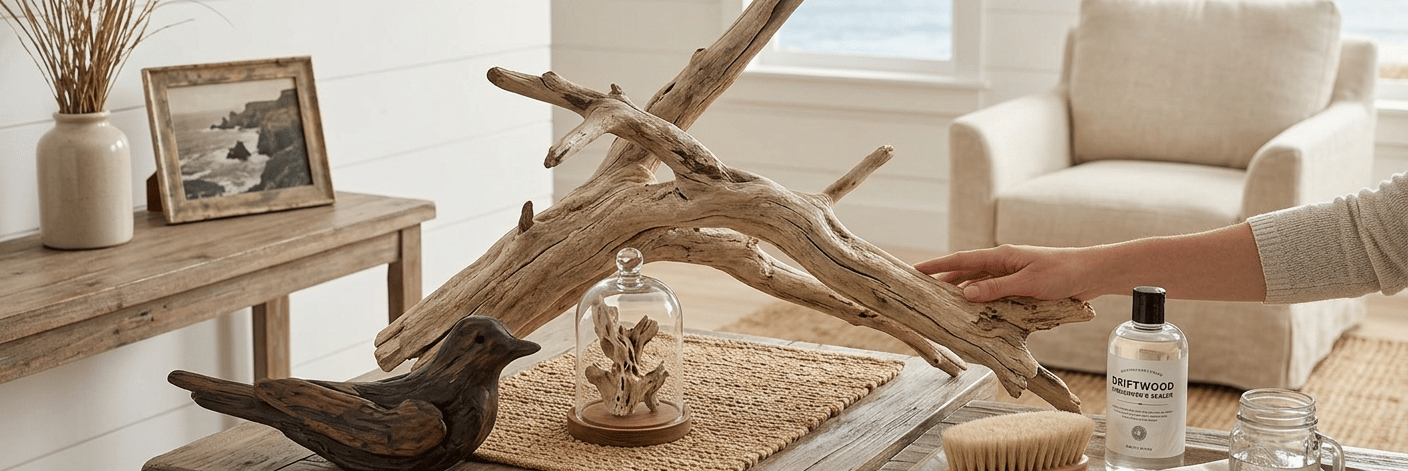
Driftwood, often found along coastlines and riverbanks, refers to pieces of wood that have been washed ashore by various water bodies. This natural material exhibits unique qualities that make it a sought-after element in home decor. The formation of driftwood occurs over time as trees and wooden materials are subjected to the elements, including water, wind, and sunlight. This exposure results in a weathered appearance, characterized by a smooth texture and often striking color variations. The aging process contributes to its charm, making each piece a distinctive work of art.
There are several types of driftwood available for use in decoration. Broadly categorized by their origin, driftwood can come from both freshwater and saltwater environments. Common species include pine, cedar, and oak, all of which exhibit diverse colors and textures. Pine driftwood tends to be lighter in weight and features a pale color with subtle knots, while cedar driftwood showcases a rich reddish-brown hue and a fragrant scent. Oak driftwood, recognizable for its robust strength, often carries a weathered gray patina that is visually appealing.
When selecting driftwood for decor, it is essential to consider characteristics such as its shape, size, and the manner in which it has been weathered. Some pieces possess intricate curves and contours that can make striking focal points in various settings. Additionally, the smoothness of the wood enhances its tactile quality, providing not just visual beauty but also an inviting texture. Understanding these features allows individuals to choose the right driftwood that complements their design preferences while appreciating the natural history behind each unique piece.
Cleaning and Preparing Driftwood for Use
Driftwood can serve as a stunning addition to your home decor, but before incorporating it into your space, it's important to ensure that it is clean and safe. The first step in preparing driftwood involves removing any dirt, debris, or unwanted odors. To achieve this, start by rinsing the wood thoroughly under running water. This helps to wash away surface dirt and grime.
Next, you may encounter stubborn stains or odors that require a deeper cleaning solution. A mixture of mild soap and warm water can be effective for scrubbing the driftwood. Using a soft-bristle brush, gently scrub all contours and crevices of the wood to ensure a thorough clean. Additionally, some people recommend using white vinegar to neutralize odors; simply dab it onto any areas with a lingering smell and rinse afterward.
After cleaning, disinfection is a crucial step to prevent any pests or fungus from inhabiting the wood. A solution containing equal parts of water and bleach can be used for disinfecting. Soak the driftwood in this solution for a few minutes, then rinse it well to remove any bleach residue. Always wear gloves when handling bleach and take care not to inhale fumes, ensuring proper ventilation while you work.
Drying the driftwood is another essential process. Place the cleaned pieces in a well-ventilated area, out of direct sunlight, and allow them to air dry completely. This step is vital as it reduces the risk of mold growth. As you handle the driftwood, maintain safety by wearing gloves and a mask, especially when dealing with any mold or harsh cleaning agents.
Preserving Driftwood: Techniques and Tips
When it comes to preserving authentic driftwood decor, the right techniques are essential for maintaining both its integrity and beauty. One of the most effective methods for preservation is sealing the wood. This process helps protect against moisture and UV damage, which can cause the driftwood to degrade over time. A high-quality sealant creates a barrier, ensuring that any potential environmental threats do not penetrate the wood.
For optimal results, consider using varnishes or oils specifically designed for wood preservation. Varnish provides a durable finish that can withstand varying environmental conditions, while oils can penetrate the wood, enhancing its natural appearance and offering moisture resistance. It is important to apply these products in thin layers; doing so allows for even distribution and better absorption.
For those interested in more natural preservation methods, beeswax presents an excellent alternative. This option not only seals the wood but also imparts a warm, natural glow. To apply beeswax, simply melt it and use a cloth to rub it onto the driftwood's surface, ensuring it is coated evenly. However, keep in mind that natural methods may require more frequent reapplication compared to synthetic options.
Regular maintenance is key to preserving the beauty of driftwood decor. Generally, treatments should be reapplied every 6 to 12 months. Signs that indicate the need for re-treatment can include noticeable dullness in the surface, peeling of the finish, or a rough texture when touched. By adhering to these guidelines, enthusiasts can ensure their driftwood decor remains a stunning focal point in any setting.
Decorating with Driftwood: Creative Ideas and Inspiration
Driftwood decor serves as a unique and organic element that can elevate the aesthetics of any space. This versatile material can be integrated into various home decor projects, catering to different styles and themes. One of the most popular uses of driftwood is in the creation of picture frames. By selecting pieces that vary in texture and size, you can create stunning, rustic picture frames that enhance the visual appeal of your photographs while adding a natural touch to your walls.
Another creative idea is to use driftwood as wall art. Arranging assorted driftwood pieces in a sculptural format can transform a simple wall into a focal point. You can opt for a geometric arrangement for a modern look or layer the wood for a more organic appearance. Additionally, a piece of driftwood hanging from the wall can serve as a functional décor item, offering space to hang items such as keys or jewelry.
Driftwood can also be incorporated into furniture design. For instance, crafting a coffee table with a driftwood base adds character to your living area. You can pair it with glass or reclaimed wood surfaces to create a balance between rustic style and modern elegance. Moreover, using driftwood as accent pieces like side tables or stools can make a significant statement about your decor choices.
Natural centerpieces made from driftwood are another elegant way to incorporate this unique decor style into your home. Placing a piece of driftwood on a dining or coffee table with candles, flowers, or seasonal decorations enhances the overall ambiance. Embracing a color palette that complements the tones in the driftwood can further harmonize your decorating scheme.
When styling with driftwood, remember to consider the surrounding materials. Pairing it with textiles like linen, jute, or cotton can create a cozy atmosphere. Metallic elements or sleek glass can also serve to contrast the rustic nature of driftwood, thus achieving a cohesive design throughout your space.
Aquatics
Quality driftwood for your aquarium decoration needs.
New product updates please subscribe below
© 2024. All rights reserved. Design & Developed By Dinesh kumar.
All Driftwood product is crafted entirely from recycled wood sourced responsibly from local stations, ensuring an eco-friendly choice for environmentally conscious consumers
Check out our Instagram page.