
Ensuring Structural Integrity: How to Anchor Your Tree Bookshelf Safely to the Wall
Understanding the Importance of Anchoring Your Tree Bookshelf
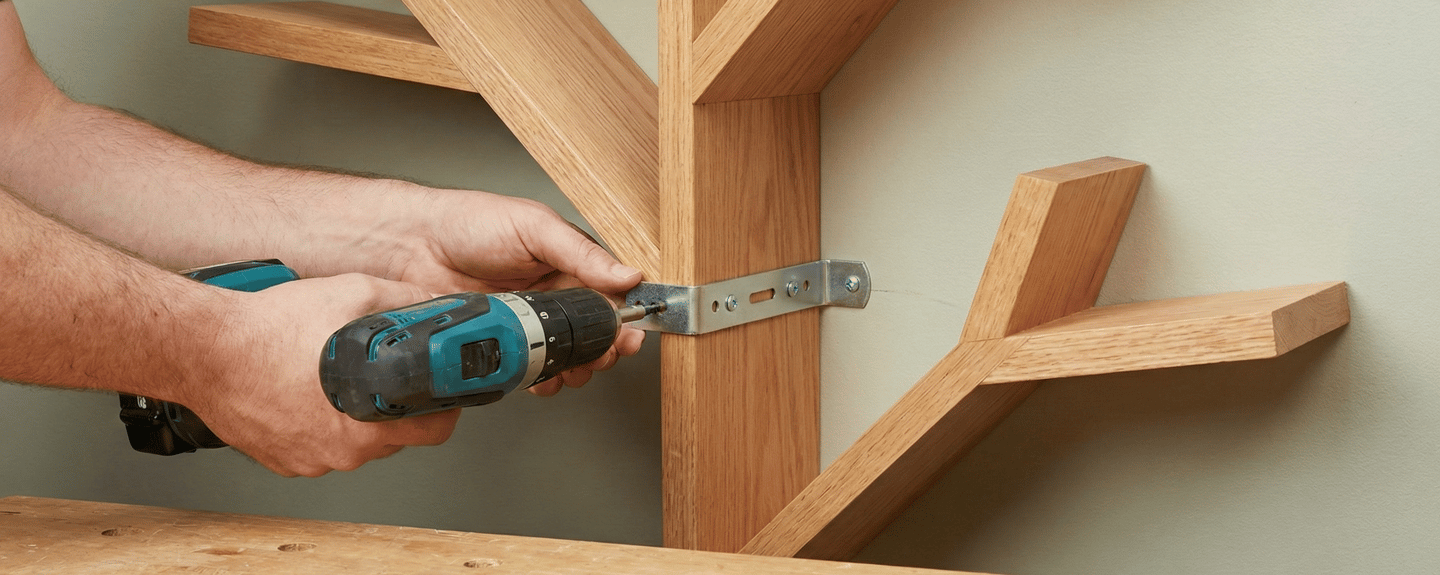
When designing your living space, a tree bookshelf can serve as both a functional piece of furniture and a striking decorative element. However, the aesthetic appeal of a free-standing bookshelf must be balanced with the essential safety considerations it entails. Primarily, properly anchoring your tree bookshelf to the wall is crucial to prevent it from tipping over, particularly in homes with children or pets. The risk of accidents can drastically increase if a bookshelf is not securely fastened, leading to injuries or damage to your belongings.
The principle of gravity plays a significant role in the stability of your furniture. A tall and narrow bookshelf, such as a tree bookshelf, poses unique challenges in terms of balance. Without the essential support of wall anchoring, even a slight nudge may result in the entire structure tipping over. This presents a significant hazard in households where children play or pets roam. The simple act of securing your bookshelf can mitigate these dangers and offer peace of mind.
Moreover, the benefits of anchoring extend beyond mere safety. By adding an additional layer of stability, you help ensure the longevity of your tree bookshelf. A securely anchored structure is less likely to suffer from the wear and tear that comes with swaying or toppling, thus preserving both the bookshelf's functionality and appearance. Furthermore, securing your bookshelf can also protect the items stored within it; books, decorative objects, and personal treasures will remain intact and undamaged.
In conclusion, the importance of anchoring your tree bookshelf cannot be overstated. Not only does it help prevent potential tipping accidents, but it also offers long-term protection for both your furniture and those who inhabit your home. Taking the time to secure your bookshelf demonstrates a commitment to safety and a proactive attitude toward maintaining a secure living environment.
Tools and Materials Needed for Safely Anchoring Your Bookshelf
When anchoring your tree bookshelf, it is crucial to have the right tools and materials to ensure its stability and safety. The following items are essential for creating a secure installation.
Firstly, wall anchors are necessary as they provide the anchor point for screws and help distribute the weight of the bookshelf. It is advisable to choose wall anchors that are appropriate for the weight of your bookshelf and the type of wall material. For wooden walls, a simple screw may suffice, while drywall might require toggle bolts or specific anchors designed for heavier loads.
Secondly, screws will be required to attach the bookshelf to the wall anchors. It is important to select screws that are long enough to penetrate through the bookshelf material and into the wall anchor securely. The screw type should complement the anchor chosen; for instance, a lag screw works well with a sturdy wall anchor to provide added stability.
Additionally, a stud finder is a valuable tool that allows you to locate vertical wooden beams behind the wall, providing a more secure attachment point for your bookshelf. If possible, anchoring into the studs is preferable, as this can support greater weight and offers enhanced safety.
A level is equally important in this process. Using a level ensures that your bookshelf is mounted straight, which not only affects its appearance but also its stability. An uneven bookshelf can lead to tipping or collapsing risks.
Moreover, a drill and appropriate drill bits will be necessary to create pilot holes prior to inserting the screws or anchors. This step helps prevent any splitting of the wood and makes installation smoother.
By gathering the right tools and materials, such as wall anchors, screws, a stud finder, and a drill, you can ensure a secure anchoring of your tree bookshelf, safeguarding it against any potential hazards.
Step-by-Step Guide to Anchoring Your Tree Bookshelf
Anchoring your tree bookshelf is an essential step to ensure not only safety but also the longevity of your investment. This guide will walk you through the process, ensuring your bookshelf is securely attached to the wall while maintaining its aesthetic appeal.
Step 1: Gather Your Tools
You will need a stud finder, a level, wall anchors (if necessary), screws, a drill, a screwdriver, and a measuring tape. Ensure you have everything ready before you begin to streamline the installation process.
Step 2: Locate Wall Studs
Using a stud finder, locate the wall studs where you want to install the bookshelf. Studs are typically spaced 16 or 24 inches apart. Mark these locations with a pencil. Anchoring directly into studs will provide the best support for your tree bookshelf.
Step 3: Measure and Level
Before mounting, measure the height at which you want your bookshelf to sit. Use a level to ensure that the bookshelf will be straight. Mark the appropriate height on the wall and draw a horizontal line to guide you in aligning the bookshelf.
Step 4: Install Wall Anchors
If your bookshelf does not align with a stud, you will need to use wall anchors. Drill holes into the wall at your marked points, and insert the wall anchors according to the package instructions. Ensure they are securely fastened, as this will be critical for holding the weight of the bookshelf.
Step 5: Attach the Bookshelf
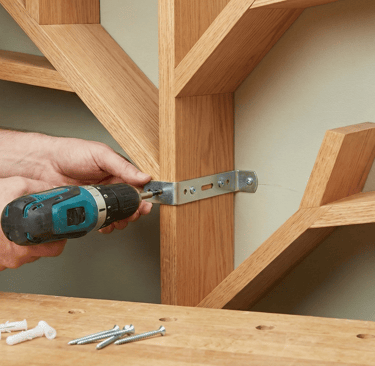
Align the bookshelf with the wall anchors or screws you've installed. Secure the bookshelf using screws, ensuring that they are tightened into the anchors. It's important to check the level one last time before finalizing this step.
Step 6: Final Checks
Once the bookshelf is attached, step back and check for stability. Test it gently to ensure it is securely anchored. Make any adjustments if needed for both safety and visual alignment. With this step-by-step guide, your tree bookshelf will be secured safely to the wall, combining both function and design.
Maintenance Tips for Long-Lasting Stability and Safety
To ensure the ongoing stability and safety of your anchored tree bookshelf, regular maintenance is crucial. Routine checks of the anchoring system should be a part of your bookshelf care regimen. Inspect the brackets and screws at least once every few months. Look for any signs of rust or corrosion, which can weaken the structural integrity of the anchors. If any screws appear loose, it is advisable to tighten them promptly to prevent the bookshelf from shifting over time.
In addition to examining the anchoring hardware, monitoring the overall condition of the bookshelf itself is vital. Look for any cracks in the wood or joints that may develop as the material ages. Signs of wear, such as wobbling or leaning, can indicate that your bookshelf is compromised and may need adjustment or reinforcement. If structural issues are found, seek repair solutions immediately, as neglecting these problems can lead to more significant safety concerns.
Weight distribution is another critical factor in maintaining the stability of your tree bookshelf. Be mindful of how you arrange your books and decorative items. Place heavier books on lower shelves to lower the center of gravity; this helps prevent tipping. Avoid overcrowding any particular shelf and try to balance the weight across all levels. Regularly reassessing the load capacity and rearranging items can enhance safety and ensure the bookshelf’s longevity.
By consistently implementing these maintenance practices and remaining vigilant for signs of wear or instability, you can enjoy your tree bookshelf safely for years to come. This proactive approach helps you protect not only your belongings but also the overall aesthetic of your living space.
Aquatics
Quality driftwood for your aquarium decoration needs.
New product updates please subscribe below
© 2024. All rights reserved. Design & Developed By Dinesh kumar.
All Driftwood product is crafted entirely from recycled wood sourced responsibly from local stations, ensuring an eco-friendly choice for environmentally conscious consumers
Check out our Instagram page.