
The Best Types of Natural Wood for Pet Furniture
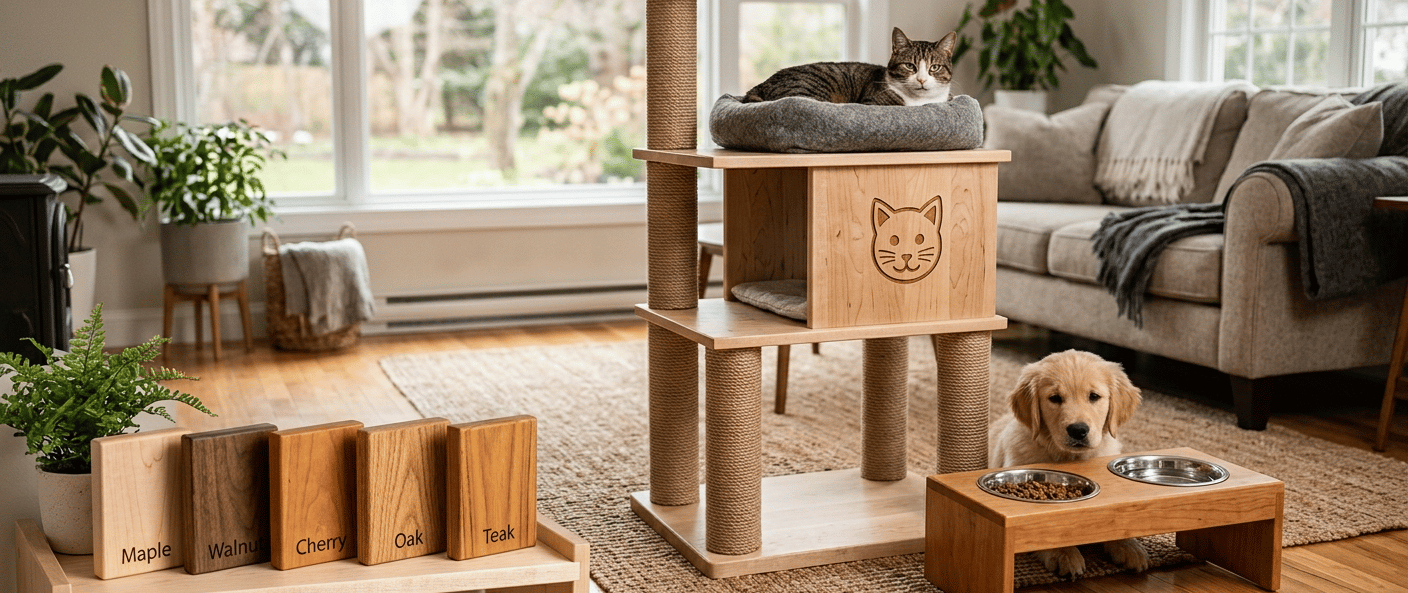
Introduction to Natural Wood in Pet Furniture
Natural wood has emerged as a popular choice for pet furniture, offering numerous advantages over synthetic materials. Every pet owner desires furniture that not only serves functional needs but also complements the home environment. With the durability and aesthetic appeal of natural wood, many are finding it an ideal option. Wooden pet furniture can harmonize with various décor styles, emphasizing the beauty of nature while providing a comfortable space for furry companions.
One of the key benefits of using natural wood in pet furniture is its inherent strength and durability. High-quality wooden pieces can withstand significant wear and tear, making them more resilient against the rough and tumble life of pets. Unlike plastic or particleboard, which may chip or break easily, well-crafted wooden furniture can offer longevity, providing an excellent return on investment for pet owners.
Furthermore, safety is a paramount concern for pet owners. Natural wood, when treated properly, offers a non-toxic alternative compared to some man-made materials that may release harmful chemicals or off-gas volatile organic compounds (VOCs). By choosing pet furniture made from natural wood, owners can ensure a safer environment for their beloved animals, free from the dangers associated with synthetic finishes and adhesives.
The increasing trend of opting for wooden furnishings also aligns with the growing awareness of eco-friendly choices. Many pet owners today are seeking out sustainable materials for their homes, and natural wood fits this requirement by being renewable and biodegradable. By selecting furniture crafted from responsibly sourced timber, consumers contribute to conservation efforts while ensuring their pets enjoy high-quality living spaces.
In recent years, various styles of natural wood pet furniture have gained traction, providing a wide array of options to suit different preferences and needs. From intricately designed cat trees to robust dog beds, the world of wooden pet furniture continues to expand, catering to the demands of discerning pet owners.
Top Wood Species for Pet Furniture
When selecting the right wood species for pet furniture, several factors must be considered, including durability, safety, and aesthetic appeal. Below, we discuss some of the most popular wood types used in the construction of pet furniture.
Oak is renowned for its durability and strength, making it an excellent choice for pet furniture. Its resistance to wear and tear is essential for accommodating active pets, while its natural grain offers a timeless, classic look. Oak is also relatively easy to maintain, ensuring that any scratches or dents can be managed effectively.
Pine, on the other hand, is a more affordable option that still provides decent durability. This wood is lightweight and easy to work with, which allows for a wide variety of designs in pet furniture. However, pine is softer than oak and more susceptible to scratches, so it may require regular maintenance to keep it looking its best. Additionally, it is advisable to choose kiln-dried pine to minimize the risk of resin pockets and ensure a safer product for your pets.
Birch is another noteworthy wood species for pet furniture, valued for its fine grain and light color. Birch is dense, offering good resistance to impact and abrasions, thereby ensuring a long-lasting product. Furthermore, it is less likely to warp or split compared to other softwoods, making it an excellent choice for pet owners seeking longevity in their furniture. Birch is also a safe option, as it is a non-toxic wood, providing peace of mind for those concerned about harmful effects on pets.
In summary, selecting the appropriate wood species for pet furniture not only enhances the aesthetic of the environment but also attends to the practical needs of both the furniture and the pets it caters to. By considering the characteristics of oak, pine, and birch, pet owners can make informed decisions tailored to their desires and requirements.
Factors to Consider When Choosing Wood for Pet Furniture
When selecting the appropriate wood for pet furniture, several critical factors must be taken into account to ensure durability, safety, and maintainability of the products. One of the primary considerations is the strength of the wood. Pets can be vigorous and playful, so the material used must withstand rough usage. Hardwoods, such as oak or maple, are excellent choices as they provide the necessary durability while supporting the weight of cats and dogs alike.
Another important aspect to consider is the wood's resistance to scratches. Pets, especially cats, have a natural inclination to scratch surfaces, which could lead to wear and tear on less resilient materials. Choosing woods with a tight grain and dense structure can help minimize damage and maintain the aesthetic appeal of the furniture. Certain finishes can enhance the scratch resistance of the wood, adding an extra layer of protection.
Ease of cleaning is vital as pets can inadvertently cause messes. Selecting wood that can easily be wiped down or is naturally resistant to stains is crucial for keeping pet furniture looking fresh and clean. Additionally, the furniture should feature non-toxic finishes, ensuring the safety of pets. Many finishes contain harmful chemicals that can be detrimental to the health of animals. Opting for natural oils or water-based finishes can provide both protection and peace of mind.
Lastly, environmental considerations also play a role in the selection of wood. Sourcing sustainable wood not only supports eco-friendly practices but also offers a sense of responsibility towards preserving natural resources. Pet owners are encouraged to research certified sustainable products that contribute positively to the environment. By selecting the right wood for pet furniture, owners not only ensure a safe and functional space for their furry companions but also embrace a more sustainable lifestyle.
Maintaining and Caring for Pet Furniture Made from Wood
Proper maintenance and care of wooden pet furniture is essential to ensure its longevity and safety for your pets. Wooden furniture provides a warm aesthetic while being durable and long-lasting when properly cared for. Here are some practical tips to aid in the maintenance of your wooden pet furniture.
Firstly, regular cleaning is crucial. Dust and debris can accumulate on wooden surfaces, making them appear dull and uninviting. Use a soft, dry cloth to wipe down the furniture weekly, preventing the build-up of dirt. For tougher stains, a damp cloth with a small amount of pet-safe soap can be used. It is important to avoid harsh chemicals as they can damage the finish and may be harmful to pets.
To prevent damage such as scratches or dents, place pads or coasters under the furniture legs, especially if they are moved frequently. Additionally, be cautious of water spills; it is best to wipe them immediately to avoid any water damage to the wood over time. If you notice any dents or scratches, they can usually be remedied with wood polish or fillers designed for pet furniture.
When choosing finishes for your pet furniture, opt for non-toxic sealants and stains that are safe for animals. These products not only enhance the wood’s appearance but also protect it from moisture and wear. Annual refinishing can help to maintain the integrity of the wood, keeping it smooth and visually appealing.
Lastly, consider placing the furniture in areas less prone to direct sunlight to prevent fading and warping. Positioning it away from direct heat sources, such as radiators or heating vents, will also help maintain its integrity and longevity. By following these care tips, your wooden pet furniture can remain attractive, functional, and safe for your beloved companions.
Aquatics
Quality driftwood for your aquarium decoration needs.
New product updates please subscribe below
© 2024. All rights reserved. Design & Developed By Dinesh kumar.
All Driftwood product is crafted entirely from recycled wood sourced responsibly from local stations, ensuring an eco-friendly choice for environmentally conscious consumers
Check out our Instagram page.